

How To Brown Butter Without Burning It
 by
Learning how to brown butter is mostly about knowing what to watch for. Once the foam starts to subside and the milk solids turn deep amber, you’re seconds away from rich, nutty brown butter, or burnt butter if you walk away.
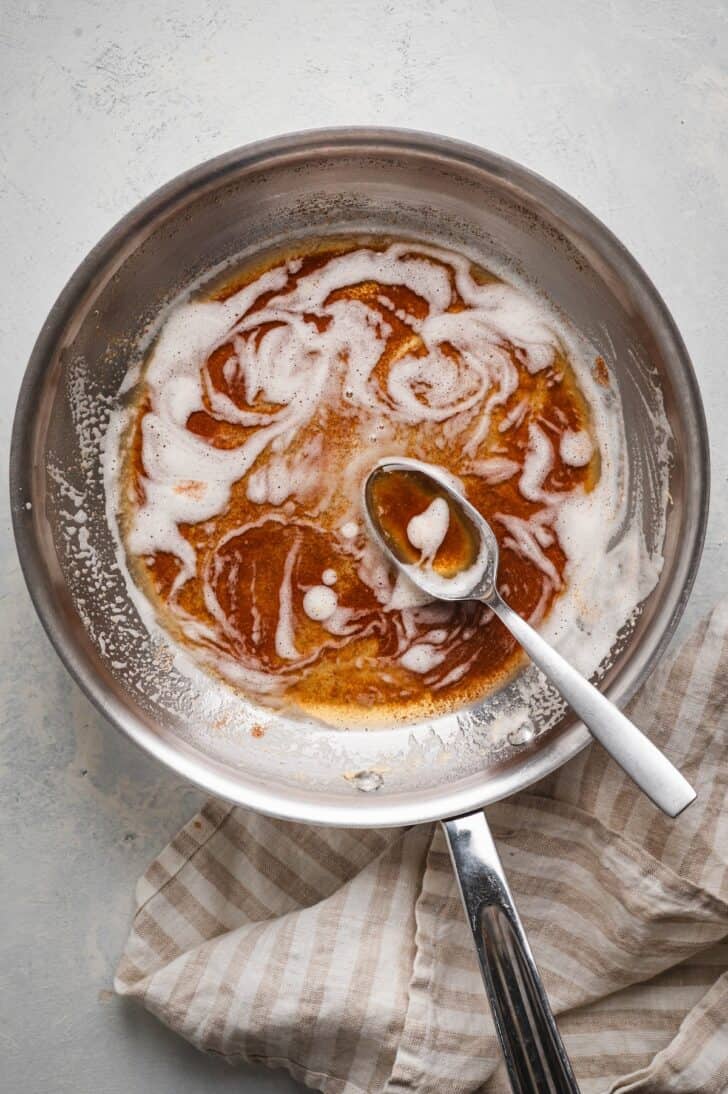
Brown Butter Is Easy Until The Last 30 Seconds
Brown butter is simply butter cooked until its milk solids toast, giving it a deeper, nuttier flavor. But the most useful part of learning how to brown butter is knowing exactly when to stop.
This method uses a light-colored skillet or saucepan so you can clearly see the milk solids changing color. The butter will melt, foam and look fairly uneventful for a few minutes. Then things move fast. Once those little bits are deep amber and the butter smells nutty and toasted, get it out of the hot pan immediately.
Brown butter is also known as beurre noisette, which translates to “hazelnut butter” in French, a reference to its nutty aroma and toasted color.
Why You Will Love This Brown Butter Recipe
- You only need one ingredient. The transformation comes entirely from toasting the milk solids already in the butter.
- The visual cues are more useful than a timer. You’ll know what to watch for in the foam and milk solids, plus the nutty aroma that tells you the butter is ready.
- It works for sweet or savory recipes. Use brown butter for baked goods, pasta, vegetables, potatoes, fish and sauces.
Brown Butter Ingredients
A full recipe card, including exact ingredient amounts, appears at the bottom of this post.
- unsalted butter – starting with unsalted butter gives you the most flexibility for using the finished brown butter in both sweet and savory recipes. Cutting it into tablespoon-sized pieces helps it melt evenly.
How To Brown Butter
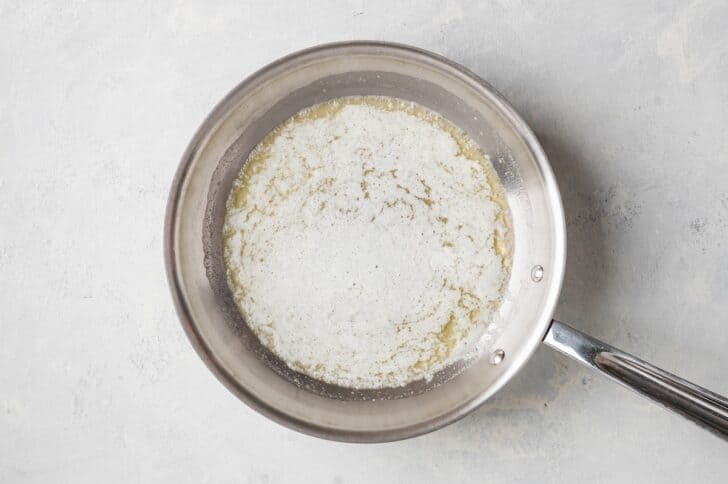
- MELT. Place the butter pieces in a light-colored skillet or saucepan over medium heat. Cook about 2 minutes, or until the butter is completely melted and beginning to foam.
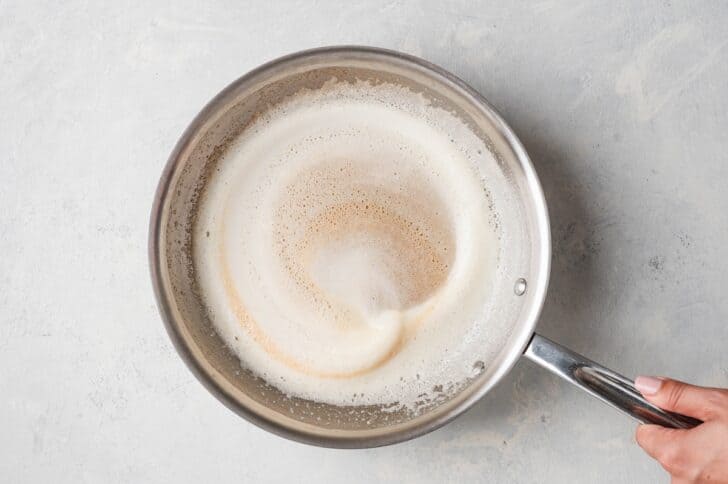
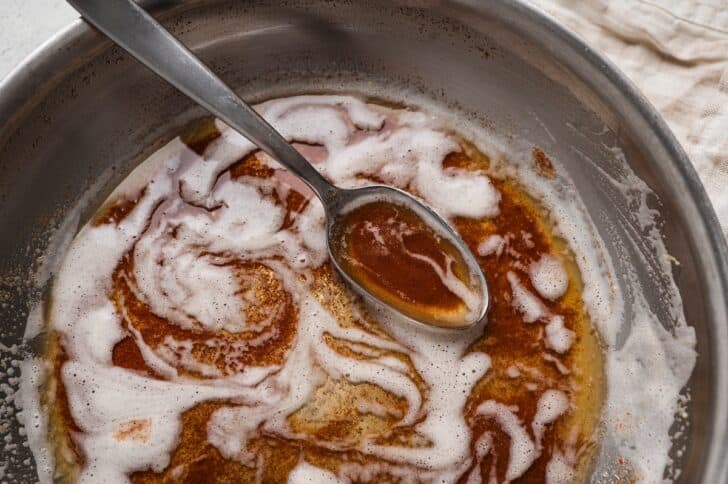
- WATCH THE FOAM. Continue cooking 1 to 2 minutes longer, swirling the pan occasionally. The foam will begin to subside, and you’ll start to see golden-brown milk solids collecting on the bottom of the pan.
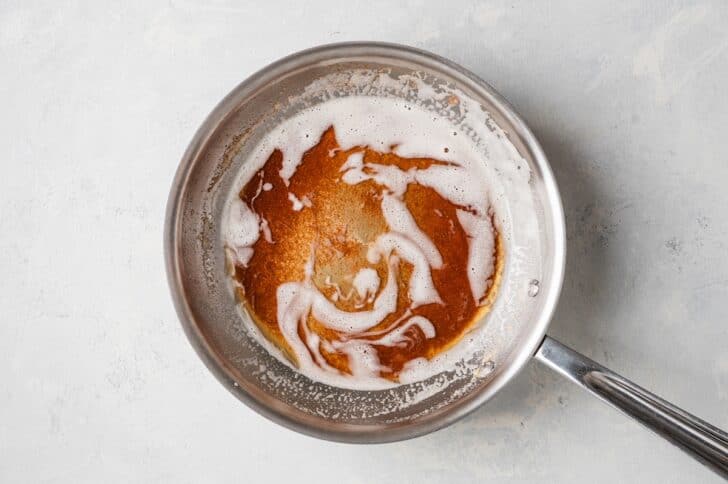
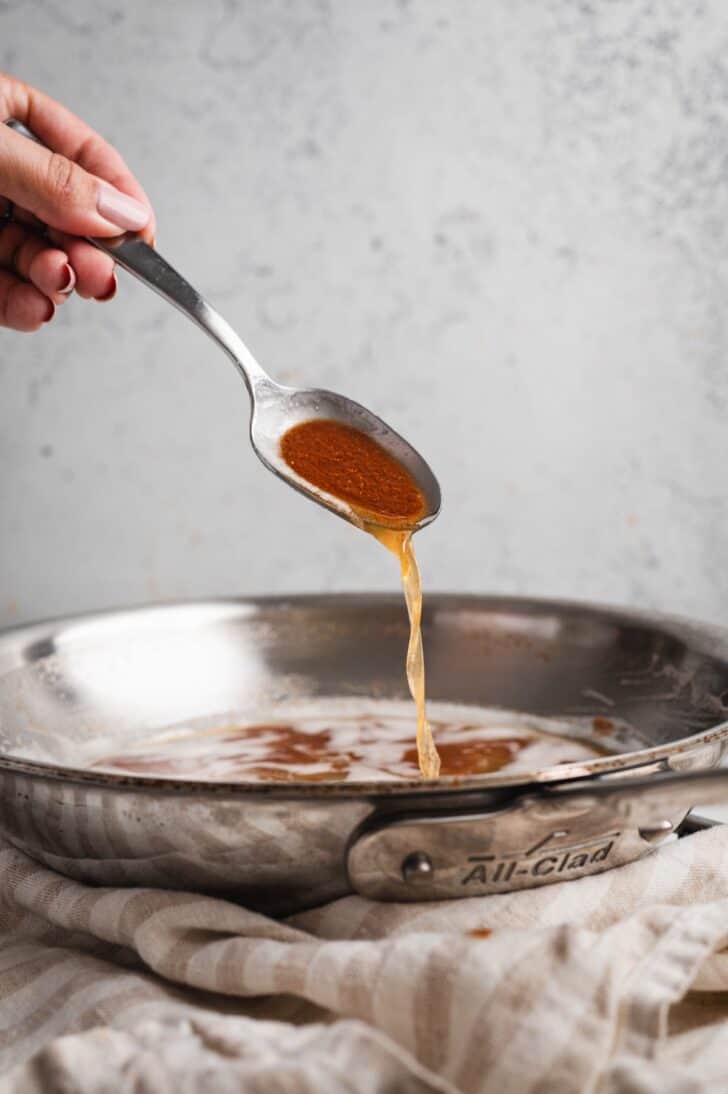
- BROWN. Cook 30 seconds to 1 minute longer, swirling frequently, until those milk solids are deep amber brown and the butter smells distinctly nutty and toasted. Stay at the stove during this stage because the color changes quickly.
- STOP THE COOKING. Immediately pour the brown butter, including all of the browned milk solids, into a heatproof bowl. Use it right away or let it cool for later.
Brown Butter Home Chef Tips
- Use a light-colored pan. Stainless steel is ideal because you can see the milk solids changing from pale gold to deep amber. A dark pan makes this much harder to judge.
- Watch the milk solids, not just the liquid butter. Those little specks on the bottom of the pan are where the flavor develops. Deep amber is what you’re after. Black means you’ve gone too far.
- Don’t leave the finished butter in the pan. Turning off the burner isn’t enough. The hot skillet can continue browning the milk solids, so pour everything into a heatproof bowl as soon as it’s ready.
- Pay attention to how another recipe measures brown butter. If it says to “brown 6 tablespoons butter,” start with 6 tablespoons. If it calls for 6 tablespoons of already-browned butter, you’ll need to start with more because some of the butter’s water evaporates during browning.
How To Know When Brown Butter Is Done
Don’t judge brown butter by color alone. Look for three things happening at the same time:
- The thick foam on top has begun to subside, making it easier to see the bottom of the pan.
- The milk solids on the bottom of the pan have changed from pale yellow to deep amber brown.
- The butter smells noticeably nutty and toasted.
Once you hit all three cues, immediately transfer the butter to another container. When I first started experimenting with brown butter, I thought that all of the liquid in the pan would be turning brown. But waiting for the butter itself to look dark brown can take you straight past browned and into burnt, so focus on the specks of milk solids and what color they are.
How To Use Brown Butter
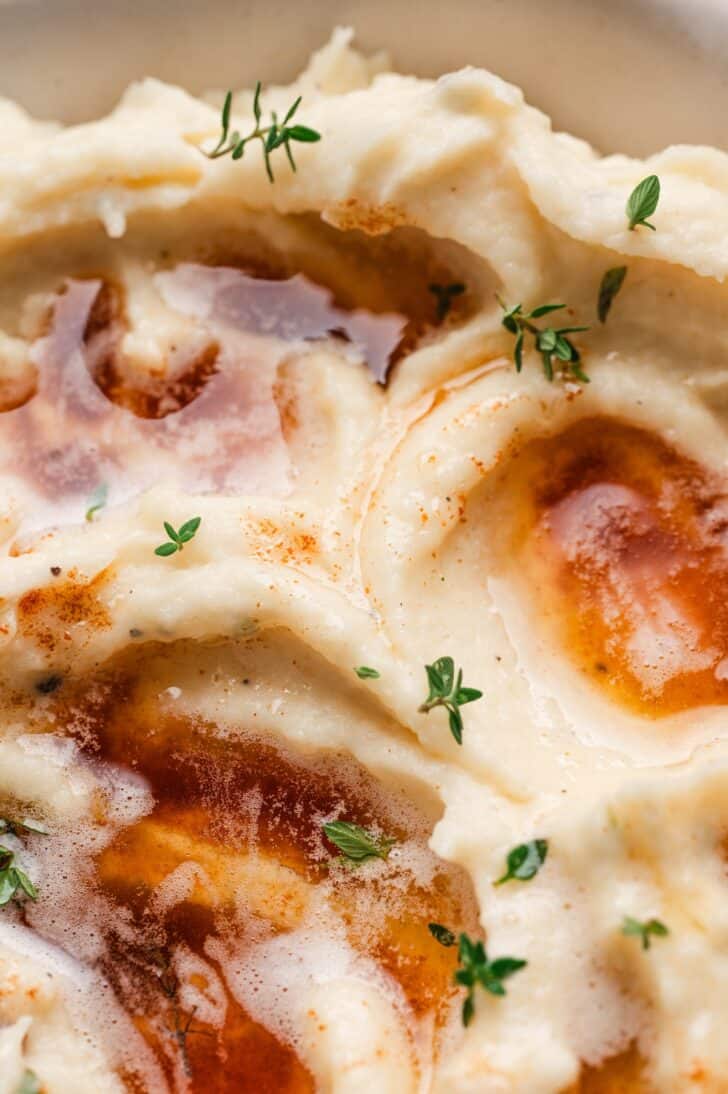
Brown butter works anywhere you want butter flavor with an extra toasted, nutty dimension. A few especially good uses:
- Baked goods like cookies, brownies, muffins, cakes and quick breads.
- Pasta and gnocchi, especially with sage, Parmesan, squash or mushrooms. The brown butter acts as a quick sauce.
- Roasted vegetables such as carrots, Brussels sprouts, squash, sweet potatoes and broccoli.
- Mashed potatoes, Parsnip Puree and risotto when you want a deeper buttery flavor without adding another ingredient.
- Fish and seafood, finished simply with brown butter, lemon juice and herbs.
Make Ahead And Storage
- Make Ahead: Brown butter is easy to make in advance, so there’s no need to brown it at the same time you’re preparing the recipe that calls for it.
- Refrigerate: Let the brown butter cool, then transfer it to an airtight container and refrigerate for up to 1 week. It will solidify as it chills.
- Freeze: Freeze brown butter in an airtight container for up to 3 months. For smaller portions, freeze it in measured amounts so you can thaw only what you need.
FAQ
For 6 tablespoons of butter over medium heat, expect roughly 3 1/2 to 5 minutes total. The exact timing varies with your pan and stove, so rely more on the foam, color of the milk solids and nutty aroma than the clock.
Yes. The browning technique is the same, but unsalted butter is more versatile because you can control the final salt level when you use the brown butter in another recipe.
Butter contains water, and some of that water evaporates while the butter cooks. That’s why 6 tablespoons of regular butter yields about 5 tablespoons of brown butter.
Very easily, especially during the final 30 seconds to 1 minute. Once the milk solids are deep amber and the butter smells toasted, immediately pour it into a heatproof bowl so the hot pan doesn’t continue cooking it.
More Foxes Love Lemons Favorites
Brown Butter
Save This Recipe!
Ingredients
- 6 tablespoons unsalted butter cut into tablespoon-sized pieces
Instructions
- Place butter in light-colored skillet or saucepan over medium heat. Cook 2 minutes or until butter is completely melted and beginning to foam.
- Continue cooking 1 to 2 minutes longer or until foam begins to subside, swirling occasionally. You’ll notice golden-brown milk solids forming on bottom of pan.
- Continue cooking for 30 seconds to 1 minute longer, swirling the pan frequently, until the milk solids are deep amber brown and the butter smells rich, nutty and toasted. Watch carefully during this final stage, as the butter can go from browned to burnt in just a few seconds.
- Immediately pour the brown butter, including all of the browned milk solids, into a heatproof bowl to stop the cooking.
- Use immediately or let cool and refrigerate in an airtight container for up to 1 week or freeze up to 3 months.
